Saving Times
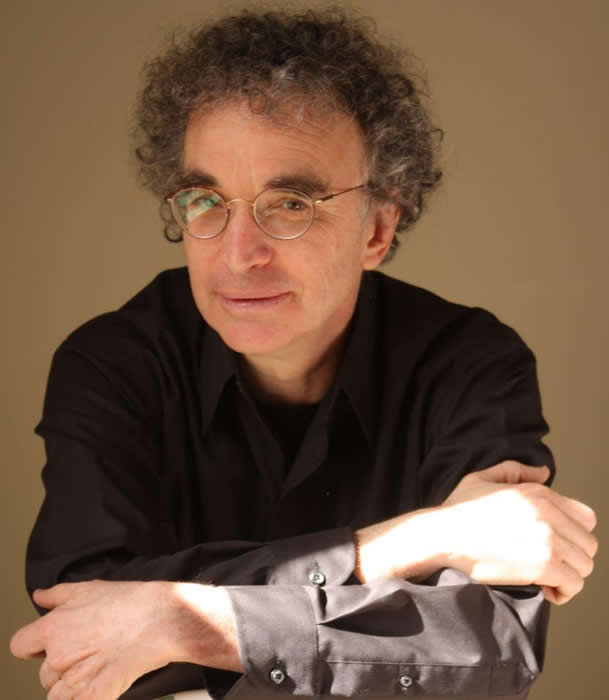
Howard Mansfield
. . . cultural observer and reporter. A writer, Mr. Mansfield is author of The Same Ax Twice: Restoration and Renewal in a Throwaway Age, which has been compared to the writings of Henry David Thoreau. He also wrote Skylark, In the Memory House and Cosmopolis. He contributes regularly to a number of newspapers, American Heritage Magazine and The New York Times Magazine. He and his family are at home in New England.
 1:02
1:02
|
Restoration in a throw-away society is twice a gift, according to Howard Mansfield. It gives the restorer a deep satisfaction while passing along an abundance we too often overlook. Mr. Mansfield is a journalist who has sought out unexpected people, individuals who seem to get the elements of life in the right order. He offers ways to focus on process in his stories of restoration and preservation. He sees the power of attending more to what it takes to do things, less on the end-result. Take the long way around to the finished product, he suggests. Preserve the old skills and the old ways. His stories range from a woman millworker rebuilding a dying town with her tapestry to a man reconstructing an exact replica of the Wright Brothers' first plane, to police and military guys finding a powerful sense of community around the campfires of a Civil War re-enactment. In every case, these are also people restoring the silences necessary to counter mindless consumption. Seeing, Mr. Mansfield believes, is the first restoration. It may also be the most important one. He became one with America's oldest gathering of stargazers. These are people who build their own telescopes, lug odd-looking creations across the country to Vermont, then wait together for the night. Why? To restore true scale, Mr. Mansfield believes. Witnessing the stars reminds these amateur astronomers that humans are small, the universe big, says Mr. Mansfield. And more. For all of human history, the Milky Way was there, prompting stories that were the backbone of the cultures around the world . Now it is largely washed away by light pollution. Dimming our sight distances us from the fundamental human experience of the stars and much more, Mr. Mansfield maintains. He believes seeing the stars is just one of many things where it's true -- we don't know what we've lost until we see it. Which gets us back to those dark and chilly Vermont vigils. No, Mr. Mansfield says, you can't step into the same river twice. But with preservation, historic and otherwise, you can get into the heart of that old saying's contradiction. He named his book The Same Ax Twice with the hope that he can get us to pay attention to preserving all kinds of skills -- how to make and remake and make things again -- an ax, a house or a community. Pay attention, he suggests, to the care and loving attention it requires to keep things in service. Then pass those skills along. And don't be so concerned about the thing itself. It's the process, not the product, that merits our attention. It's heart? Respect -- whether it's a tool or a democratic town meeting or the half animal-half machine with which two Ohio boys gave humans flight. [This Program was recorded January 15, 2001 in Peterborough, New Hampshire, U.S.]
|
Edited Excerpts of the Conversation:
 3:14
3:14